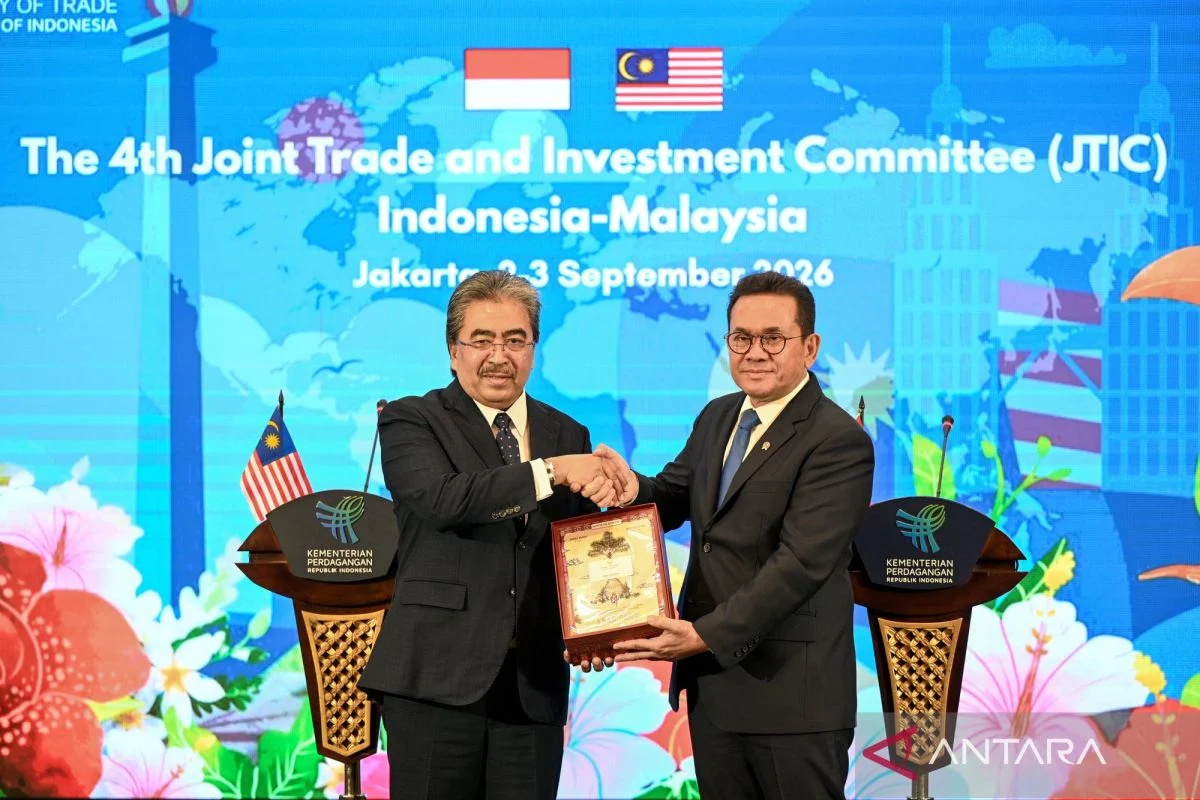
Bilateral cooperation serves as the fundamental bedrock of international relations, representing a formal arrangement between two sovereign nations designed to achieve mutually beneficial outcomes across an expansive spectrum of sectors. From the intricacies of trade and macroeconomic policy to the nuanced exchanges in cultural diplomacy, education, and defense, these partnerships form the primary mechanism through which nations advance their national interests in an increasingly interconnected global landscape. For Indonesia, a nation positioned at the heart of the Indo-Pacific, the pursuit of bilateralism is not merely a diplomatic preference but a strategic imperative that dictates its engagement with the global community.
As of August 2025, Indonesia maintains formal bilateral ties with 162 sovereign nations and one distinct territory. This extensive network of partnerships is curated by the Ministry of Foreign Affairs (Kemlu) to ensure that the nation’s foreign policy remains adaptive, robust, and capable of navigating the complexities of modern geopolitical challenges. By fostering direct, nation-to-nation dialogues, Indonesia effectively leverages its unique position to secure economic growth, stabilize regional security, and promote human capital development.
Defining the Scope of Bilateralism
At its core, bilateralism refers to the direct interaction between two distinct entities, distinct from multilateralism, which involves a collective of states, often mediated through regional or international organizations like the United Nations, ASEAN, or the G20. In a bilateral framework, the relationship is characterized by tailored negotiations, specific memoranda of understanding (MoUs), strategic partnerships, and formalized diplomatic channels that allow for granular problem-solving and rapid decision-making.
The distinction between bilateral and multilateral approaches is critical for effective statecraft. While multilateral platforms are essential for addressing global challenges—such as climate change or global financial instability—bilateral cooperation allows Indonesia to pursue highly specific objectives. For instance, while trade agreements within the ASEAN Free Trade Area provide a broad baseline for regional commerce, bilateral agreements allow Indonesia to negotiate specific tariffs, labor mobility, and technological exchange protocols tailored to the unique economic profiles of individual partners like Japan, Australia, or the United States.
The Strategic Objectives of Bilateral Engagement
The architecture of Indonesia’s bilateral diplomacy is built upon six primary pillars, each designed to translate international engagement into tangible domestic gains.
1. Advancing Diplomatic Connectivity
The primary function of bilateralism is the maintenance of robust diplomatic channels. These conduits are vital for political stability, enabling high-level communication during crises and facilitating cooperation on shared geopolitical goals. Strong bilateral ties act as a cushion against regional volatility, ensuring that when conflicts arise, there is a pre-existing infrastructure for mediation and dialogue.
2. Economic and Trade Expansion
In the current global economic climate, bilateral agreements serve as the primary engine for economic diplomacy. By removing trade barriers, incentivizing foreign direct investment (FDI), and granting preferential access to markets, Indonesia ensures its industries remain competitive. These agreements often extend beyond goods and services to include complex supply chain integration, which has become increasingly important as nations seek to diversify their manufacturing bases away from over-reliance on single markets.
3. Human Capital and Socio-Cultural Exchange
Bilateral cooperation is frequently the catalyst for human development. Through scholarship programs, academic exchanges, and vocational training initiatives, nations invest in their future workforce. Indonesia’s partnerships often prioritize technical training, which allows for the transfer of expertise in fields such as engineering, medical research, and digital governance.
4. Technological Transfer and Innovation
In an era defined by rapid technological disruption, bilateral partnerships allow Indonesia to bridge the digital divide. By aligning with nations at the technological frontier, Indonesia gains access to critical knowledge in renewable energy, biotechnology, and advanced manufacturing. These partnerships are typically structured around joint research and development (R&D) projects, which foster an environment of shared innovation.
5. National Security and Regional Stability
Security cooperation is perhaps the most sensitive aspect of bilateralism. This encompasses intelligence sharing, joint maritime patrols, the combating of transnational crime, and cyber-security initiatives. By working closely with border-adjacent nations and major maritime powers, Indonesia secures its sovereign interests while contributing to the broader maintenance of regional peace and security.
6. Cultural Diplomacy and Public Awareness
Beyond the hard power of trade and security, bilateralism promotes "soft power." Cultural exchanges, the promotion of language learning, and the hosting of art and history exhibitions help build a positive national image, fostering cross-cultural understanding that facilitates easier cooperation in other, more formal sectors.
Case Studies: The Mechanics of Partnership
To understand how these principles function in practice, one must look at the specific mechanisms Indonesia utilizes with its key partners.
The Indonesia-Netherlands Paradigm
The relationship between Indonesia and the Netherlands has evolved into a comprehensive partnership that emphasizes sustainability and innovation. Their cooperation is currently focused on the transition to a circular economy, water management, and the digitalization of the agricultural sector. By focusing on shared challenges—such as climate adaptation and urban planning—the two nations have moved beyond post-colonial narratives into a relationship defined by high-tech collaboration and academic exchange.
The Papua New Guinea (PNG) Framework
Geographic proximity dictates a different set of priorities in the relationship with Papua New Guinea. Here, the focus is on border management and the facilitation of trade at the terrestrial frontier. The institutionalization of the Annual Leaders’ Dialogue, which has functioned consistently since 2022, serves as the central pillar of this relationship. Complementing this are the Joint Ministerial Commission and Senior Officials’ Meeting structures, which provide a rhythmic and predictable schedule for resolving administrative and logistical challenges between the two neighbors.
The Evolution of the Global Landscape
The shift in global dynamics necessitates a more agile approach to bilateralism. As seen in recent geopolitical trends, nations are increasingly opting for "mini-lateral" or intensified bilateral deals to sidestep the inertia sometimes associated with large, multilateral bodies.
For instance, the recent discussions regarding the potential integration of agendas between BRICS and existing bilateral frameworks highlight how countries are trying to harmonize their various international commitments. By aligning national interests with the priorities of emerging economic blocs, Indonesia ensures that its bilateral efforts do not conflict with, but rather bolster, its broader international standing.
Analysis: The Future of Indonesia’s Diplomatic Strategy
The efficacy of Indonesia’s bilateral strategy will depend on its ability to navigate the shifting multipolar order. As competition between major powers intensifies, Indonesia must balance its neutrality with the need for developmental assistance and market access.
The data suggests a trend toward specialization. In the coming decade, it is likely that Indonesia’s bilateral efforts will lean more heavily into "green diplomacy"—the exchange of technology and investment related to climate change mitigation. This is already evident in the increasing number of MoUs focused on green energy, carbon credit markets, and electric vehicle (EV) supply chain development.
Furthermore, the integration of digital technology into diplomatic practice—often termed "e-diplomacy"—is likely to become more prominent. As seen in the recent collaborative efforts between Canada and Ukraine regarding 100-year partnership agreements, there is a global shift toward long-term, structural cooperation that goes beyond short-term political cycles. Indonesia’s success will require adopting similar long-horizon thinking, ensuring that today’s bilateral agreements lay the groundwork for the infrastructure and industrial capacity required for the 2045 national vision.
Conclusion
Bilateral cooperation remains the most flexible and potent tool in the statecraft arsenal. By providing a platform for two nations to define the terms of their engagement, it allows for the precision required to solve complex, specific problems. As Indonesia continues to expand its reach—reaching 162 partners and counting—the focus must remain on the quality, rather than just the quantity, of these relationships.
The future of Indonesian foreign policy will be defined by its capacity to harmonize these 162+ bilateral threads into a cohesive tapestry that serves the domestic population. Whether it is through the technical exchange of agricultural expertise with Sudan, the pursuit of technological partnerships with Japan, or the border-stabilization efforts with Papua New Guinea, the objective remains constant: the protection of national sovereignty, the stimulation of the economy, and the advancement of the Indonesian people on the global stage. As the global environment continues to evolve, the resilience of these bilateral bridges will determine the nation’s success in an unpredictable future.