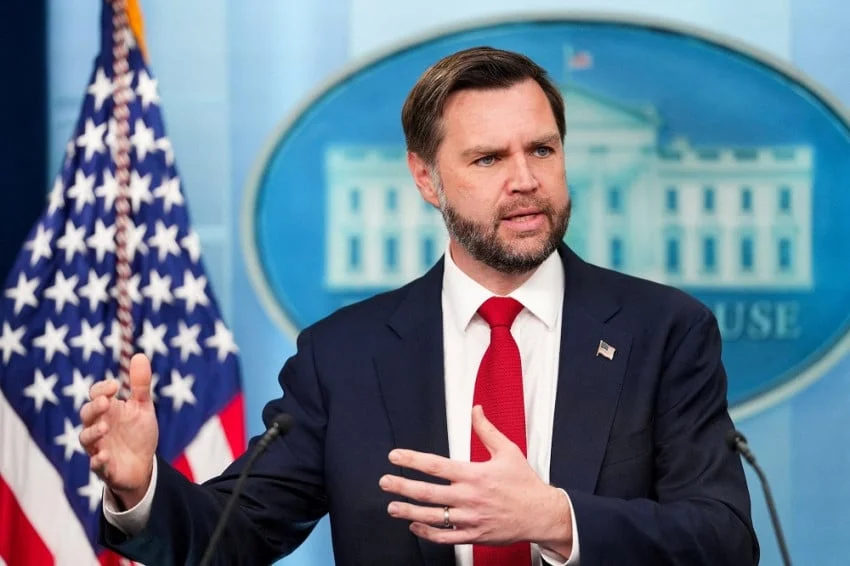
The political future of Vice President JD Vance suffered a significant blow following a devastating series of losses for the Republican Party in the recent midterm elections, casting serious doubt on his potential presidential campaign in 2028. According to recent reports, influential political donors, key strategists, and close allies are increasingly questioning whether the sitting vice president should launch a presidential bid in the upcoming cycle. The confluence of unexpected electoral defeats, shifting donor sentiments, and volatile geopolitical developments has created a challenging landscape for the administration’s second-in-command as he weighs his political ambitions against a rapidly changing national mood.
A comprehensive report published by The Wall Street Journal outlined the growing skepticism within conservative circles regarding Vance’s viability as the standard-bearer for the GOP in the next presidential election. Citing multiple insiders close to the vice president, the report revealed that Vance has not yet made a definitive decision about running in 2028. In private conversations with associates both leading up to the midterms and in their immediate aftermath, Vance reportedly maintained that his focus remains on his current governance duties rather than future electoral pursuits. However, the external pressures from his traditional base of financial support suggest that the decision may not entirely rest in his hands.
The Shifting Political Landscape of the Midterms
The catalyst for this sudden reassessment stems from a disastrous showing for the Republican Party during the midterm elections, which resulted in significant Democratic gains across both chambers of Congress and crucial state-level offices. Most notably, the Democratic Party managed to flip seven Senate seats previously held by Republicans. Among these was the very seat in Ohio that Vance once occupied before ascending to the executive branch, a symbolic and strategic loss that underscored the vulnerability of the GOP’s legislative stronghold.
Furthermore, Democrats achieved stunning victories in gubernatorial races across traditionally red states, capturing key executive mansions in states like Georgia and Texas. These upsets shattered the long-held assumption of Republican dominance in these regions and sent shockwaves through the conservative political establishment. The comprehensive nature of the defeat has triggered a profound identity crisis within the party, with strategists openly debating whether the electoral coalition constructed under the current administration has reached its saturation point or is actively losing its appeal among independent and suburban voters.
The Fallout Among Major Political Donors
The immediate financial repercussions of the midterm losses became apparent within hours of the polls closing. According to reports from senior fundraising circles in New York and Washington, elite conservative donors began expressing intense dissatisfaction with the direction of the party and the performance of key administration figures.
Within twenty-four hours of the election results, major financial backers initiated calls with high-level fundraisers to declare that they would likely withhold support from a potential JD Vance presidential campaign in 2028. Instead, these disaffected donors are reportedly exploring alternative standard-bearers for the next election cycle, turning their attention toward figures such as Florida Governor Ron DeSantis and other emerging conservative leaders.
The primary concern among these financial heavyweights is twofold. First, donors fear that any candidate emerging directly from the current administration will be inextricably linked to the political fallout of the midterm losses and any policy missteps that occurred during the term. Second, there is a growing apprehension that the populist coalition which propelled the ticket to victory is no longer sufficient to secure a national majority, prompting a desire within donor networks for a recalibration of the party’s platform and leadership.
Geopolitical Complications and the Iran Conflict
Compounding these domestic political challenges are foreign policy pressures that have directly impacted public perception of the administration’s competence. In the wake of the midterm setbacks, Vice President Vance has attempted to publicly contextualize and explain the Republican losses by pointing directly to the ongoing conflict with Iran.
The administration’s handling of escalating tensions in the Middle East, culminating in a protracted and costly military engagement involving Iran, has become a major flashpoint in American politics. Critics from both sides of the aisle have scrutinized the economic and human costs of the conflict, which has contributed to inflationary pressures, volatile energy markets, and widespread voter anxiety. By leaning into the Iran conflict as a primary explanation for the electoral wipeout, Vance has placed foreign policy front and center in the post-mortem of the midterms. However, political analysts note that blaming international conflicts rarely resonates well with domestic voters who are primarily concerned with the cost of living, governance, and local issues, potentially alienating constituents who view the administration’s foreign interventions as a distraction from pressing domestic needs.
Timeline of Events Leading to the 2028 Uncertainty
The trajectory of JD Vance’s political standing has undergone rapid evolution since his election to the vice presidency. The chronology of events highlighting this shifting reality includes:
- Early 2025: Following the inauguration, Vance assumes the vice presidency, widely viewed by political pundits as the heir apparent to the populist movement within the Republican Party, with a clear path toward a 2028 presidential campaign.
- Mid-2025 to Early 2026: The administration becomes embroiled in complex international negotiations and military escalations involving Iran, leading to rising energy prices and mounting public scrutiny over foreign policy objectives.
- November 2026: The midterm elections result in a catastrophic defeat for the GOP, highlighted by the loss of seven Senate seats—including Vance’s former Ohio seat—and the surrender of key governorships in Georgia and Texas.
- Immediately Post-Election (November 2026): Major conservative donors in financial hubs like New York signal an unwillingness to back a 2028 Vance candidacy, initiating exploratory discussions regarding alternative candidates such as Ron DeSantis.
- Late November 2026: Reports emerge in The Wall Street Journal detailing Vance’s internal deliberations, revealing that he has not yet finalized his 2028 plans while allies openly question the viability of any Republican winning the White House in the near term.
Implications for the Future of the Republican Party
The convergence of donor flight, legislative setbacks, and geopolitical friction has left the future leadership of the Republican Party in a state of profound uncertainty. Political analysts suggest that the next two years will serve as a crucial testing ground for the conservative movement as it attempts to heal internal divisions and formulate a winning message for the next presidential cycle.
For JD Vance, the path forward requires navigating a delicate balancing act. He must manage his responsibilities as vice president while simultaneously attempting to rebuild trust with skeptical donors and a fractured voter base. Whether he can successfully distance himself from the recent electoral bloodbath and rebrand his political identity ahead of 2028 remains one of the defining questions of the current political era. As potential rivals begin positioning themselves for the upcoming primary race, the coming months will test the resilience of Vance’s political network and his ability to steer the populist movement through its most significant crisis to date.