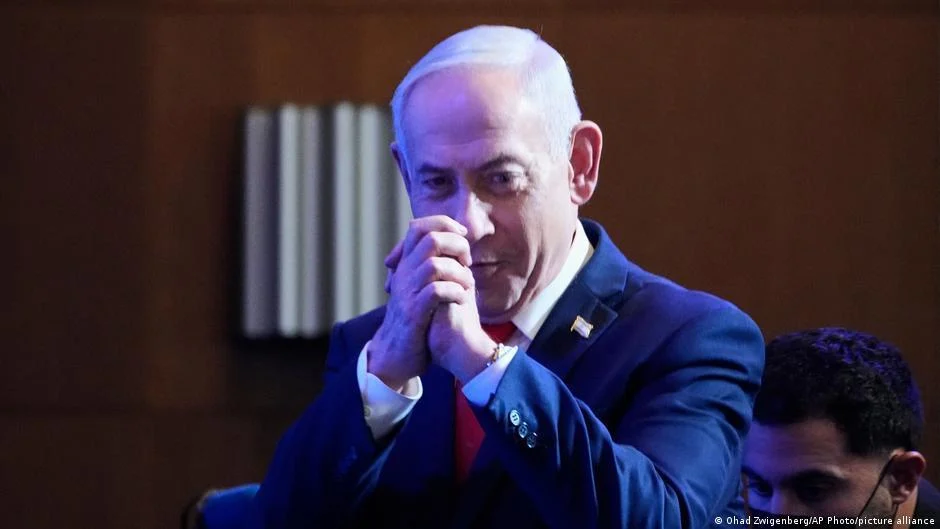
The political landscape of Israel is undergoing a monumental shift as the nation braces for a new administration poised to take power without Benjamin Netanyahu at the helm. Following a contentious legislative election that once again failed to yield a decisive parliamentary majority, the Israeli political sphere has entered a period of intense coalition-building, strategic compromises, and a realignment of traditional political boundaries. This transition marks a critical turning point for a country profoundly fatigued by prolonged internal polarization, consecutive election cycles, and years of relentless conflict.
The developments culminating in the impending formation of a new government reflect a deep-seated public desire for political stability and administrative renewal. With opposition figures successfully bridging historical divides to consolidate a parliamentary majority, the era of Israel’s longest-serving prime minister faces an unprecedented challenge. As the nation transitions into this new chapter, domestic observers and international allies alike are closely watching how a diverse and ideologically disparate coalition will navigate Israel’s complex domestic agenda and volatile geopolitical standing.
The Legislative Impasse and the Fallout of the October 27 Election
The catalyst for the current political restructuring was the general election held on October 27. The electoral outcome mirrored the deep fractures within Israeli society, as neither the incumbent right-wing bloc led by Prime Minister Benjamin Netanyahu nor the fragmented opposition coalition led by centrist figures managed to secure the mandatory 61 seats required for an outright parliamentary majority in the 125-seat Knesset.
For over three years, Israel had been buffeted by successive waves of severe national security crises, domestic socio-political turmoil, and intense polarization driven heavily by Netanyahu’s hardline right-wing governance. The cumulative impact of these prolonged conflicts left the electorate profoundly weary. Citizens across the political spectrum expressed frustration with the continuous political paralysis, creating fertile ground for a reconfiguration of alliances.
Public opinion polls conducted in the immediate aftermath of the election indicated that a significant portion of the population favored a fresh political approach. The failure of either primary bloc to achieve an outright victory placed immense pressure on political leaders to forge unorthodox partnerships. The core challenge for the opposition lay in overcoming historical animosities and ideological incompatibilities to build a viable governing coalition capable of unseating Netanyahu.
Chronology of the Political Realignment
The weeks following the October 27 election were characterized by feverish behind-the-scenes negotiations, high-stakes political maneuvering, and strategic concessions.
- Late October: The official election results confirmed a hung parliament. Netanyahu’s bloc and the opposition coalition fell short of a majority, triggering a constitutional requirement for the Israeli presidency to initiate consultations with faction leaders.
- Early November: The political dynamic shifted dramatically when key opposition leaders made tactical compromises. Notably, a prominent opposition leader lifted a longstanding veto regarding the mandatory military service requirements for ultra-Orthodox Jewish communities. This concession shattered a long-standing political taboo and cleared the path for a potential alliance between secular liberals and ultra-Orthodox factions.
- Mid-November: Gadi Eisenkot, a former military chief of staff who transitioned into politics, consolidated support across a wide spectrum of parties. By successfully addressing key policy friction points, Eisenkot’s bloc secured pledges of support from an array of factions that traditionally refused to cooperate.
- November 7–8: President Isaac Herzog concluded his formal consultations with party representatives. Following these discussions, President Herzog officially announced his intention to task Gadi Eisenkot with the mandate to form Israel’s next government, citing Eisenkot’s backing by a parliamentary majority of 67 lawmakers compared to Netanyahu’s 46 supporters.
Strategic Breakthroughs and the Mechanics of Coalition Building
The cornerstone of Eisenkot’s successful bid to secure the presidential mandate was his ability to construct an unlikely alliance bridging deeply divided segments of Israeli society. Eisenkot, representing the Yashar party, campaigned on a platform centered on institutional stability, pragmatic governance, and bridging the chasms between secular Israelis and religious communities.
The decisive breakthrough occurred when the opposition dropped its rigid stance on the ultra-Orthodox exemption from military service—a contentious issue that had routinely derailed previous coalition talks. By adopting a more flexible approach to this demographic, the opposition opened direct channels of communication with ultra-Orthodox parties that had historically served as Netanyahu’s most reliable coalition partners.
However, the resulting coalition architecture is remarkably diverse and presents inherent administrative challenges. Eisenkot’s 67-seat majority relies on a delicate amalgamation of secular centrists, right-wing opposition elements, ultra-Orthodox factions, and parties representing Israel’s Arab minority. The inclusion of Arab lawmakers represents a notable shift, driven in part by heightened political mobilization and widespread frustration within the Arab sector regarding Netanyahu’s past policies. While this broad tent provides the numbers necessary to govern, it also includes factions with diametrically opposed views on foreign policy, economics, and civil rights, setting the stage for demanding internal negotiations over cabinet portfolios and legislative priorities.
Presidential Intervention and the Formal Transition
Following the completion of exhaustive inter-party consultations, Israeli President Isaac Herzog exercised his constitutional prerogative. In an official statement issued from his residence in Jerusalem, the president’s office confirmed that Herzog had formally communicated his decision to Gadi Eisenkot.
"The president has communicated to Yashar party leader Gadi Eisenkot regarding his intention to task him with forming a government," the presidential office stated.
President Herzog emphasized that the consultations demonstrated a clear parliamentary preference, with 67 members of the Knesset endorsing Eisenkot’s candidacy, outstripping the 46 lawmakers who remained aligned with Netanyahu. The formal investiture ceremony was scheduled to take place at the presidential residence in Jerusalem, granting Eisenkot an initial statutory window of 28 days—with potential extensions—to finalize coalition agreements and present his cabinet to the Knesset for a vote of confidence.
Upon receiving the mandate, Eisenkot addressed the media, pledging to "do everything" within his power to construct a stable, inclusive administration that prioritizes national healing over partisan division. His immediate objective is to translate parliamentary endorsements into formal coalition pacts, detailing ministerial allocations and a cohesive legislative agenda.
Implications for Israeli Domestic and Foreign Policy
The impending transition of power away from Benjamin Netanyahu carries profound implications for the trajectory of Israeli governance. For nearly two decades cumulative, Netanyahu has shaped Israel’s domestic policies, judicial framework, and international diplomacy. His departure—or the relegation of his faction to the opposition benches—signals a potential recalibration of state priorities.
Domestically, a government led by Eisenkot is expected to focus heavily on economic stabilization, bureaucratic efficiency, and institutional repair. The inclusion of diverse ideological factions necessitates a moderate, consensus-driven legislative agenda designed to avoid polarizing wedge issues that could fracture the coalition prematurely. Observers suggest that the new administration will likely prioritize immediate domestic relief measures to address the socioeconomic strains exacerbated by years of continuous conflict.
On the geopolitical front, international allies will closely monitor how a post-Netanyahu administration manages regional security challenges, diplomatic relations, and ongoing peace frameworks. While Eisenkot brings extensive military expertise from his tenure as Chief of the General Staff of the Israel Defense Forces, the inherent diversity of his supporting coalition may introduce complexities in executing decisive foreign policy maneuvers. Nevertheless, the shift toward a centrist-led government is viewed by many foreign capitals as an opportunity to reset diplomatic engagements and foster renewed regional stability.
As the formal coalition-building process advances in Jerusalem, the political establishment prepares for a historic handover of power. Whether Gadi Eisenkot and his diverse partners can sustain political cohesion and navigate Israel through its post-election recovery remains the central question of Israel’s contemporary political era.