Negotiations aimed at bringing a permanent end to the protracted conflict in Yemen have encountered major hurdles, with reports indicating that the Houthi movement has laid out sweeping financial and political demands to the Saudi-led coalition. According to a report published by The Wall Street Journal, citing sources familiar with the ongoing back-channel talks, the Houthi leadership in Sanaa has demanded USD51 billion in compensation from the Kingdom of Saudi Arabia as a primary condition for a lasting peace agreement. Furthermore, the group is reportedly seeking formal recognition as the legitimate governing authority of Yemen, a move that would fundamentally alter the diplomatic landscape of the Arabian Peninsula.
The explosive financial demands underscore the immense economic and geopolitical stakes involved in resolving one of the modern era’s most devastating civil conflicts. While regional diplomats have worked tirelessly behind the scenes to broker a comprehensive ceasefire and establish a transitional political framework, the vast divergence in positions between Riyadh and the de facto authorities in Sanaa highlights the fragility of the peace process. As international stakeholders watch closely, the leaked details of these negotiations offer a rare glimpse into the complex bargaining table where the future of Yemen is being decided.
Background and Context of the Yemeni Civil War
To understand the magnitude of the current financial and political demands, it is essential to examine the origins and trajectory of the Yemeni conflict. The crisis escalated dramatically in late 2014 and early 2015, when the Houthi movement—formally known as Ansar Allah—swept down from their northern stronghold in Saada and seized control of the capital city, Sanaa. The rapid advance forced the internationally recognized government of President Abdrabbuh Mansur Hadi into exile, prompting neighboring Saudi Arabia to assemble a formidable military coalition in March 2015.
The intervention of the Saudi-led coalition, backed logistically and intelligence-wise by Western powers, aimed to roll back Houthi territorial gains and restore the ousted government. However, what Riyadh anticipated would be a swift military campaign transformed into a grinding, multi-year quagmire. The conflict triggered a catastrophic humanitarian crisis, widely characterized by the United Nations as one of the worst in the world, marked by widespread famine, the collapse of public healthcare systems, and millions of displaced civilians.
Over the years, the war expanded into a regional proxy conflict, involving intense aerial bombardments, ballistic missile and drone strikes targeting Saudi critical infrastructure, and a crippling naval and aerial blockade imposed on Yemen. Despite the immense military and financial resources expended by the coalition, the Houthis firmly consolidated their grip over the most densely populated regions of northern and western Yemen, effectively functioning as the sovereign government in those territories.
Chronology of Diplomatic Efforts and Ceasefire Talks
The path toward the current negotiations has been marked by numerous false starts, fragile truces, and shifting regional
alliances. A significant turning point occurred in April 2022, when the United Nations successfully brokered a nationwide two-month truce between the Saudi-led coalition and the Houthi movement. Although that formal truce officially expired in October of the same year, the parties largely maintained an unwritten cessation of hostilities, drastically reducing cross-border attacks and large-scale ground offensives.
Parallel to UN-led efforts, direct bilateral talks between Saudi Arabia and the Houthis gained significant momentum in late 2022 and throughout 2023. Omani mediators played a critical diplomatic role, facilitating secret and direct communications in Muscat and Riyadh to establish a permanent framework for peace. These discussions focused heavily on addressing humanitarian issues, including the resumption of commercial flights from Sanaa International Airport, the lifting of restrictions on the strategic Red Sea port of Hodeidah, and the regular payment of public sector salaries using revenues generated from Yemen’s oil and gas reserves.
However, as discussions transitioned from immediate humanitarian relief to long-term political settlements, deep-seated disagreements emerged regarding post-war governance, security arrangements, and economic reparations. The recent leaks reported by The Wall Street Journal indicate that the negotiations have reached a critical juncture where financial liabilities and state recognition have become the central sticking points.
Details of the Reported Demands and Counter-Claims
According to The Wall Street Journal, the Houthi demand for USD51 billion represents a calculated baseline for what the group defines as reconstruction costs and damages inflicted by the years of military intervention. Sources cited in the report suggest that while various compensation figures have been floated during closed-door sessions, any ultimate accord will likely involve astronomical financial transfers from Riyadh to address the shattered infrastructure of northern Yemen.
In addition to financial compensation, the demand for political recognition poses a severe dilemma for both Riyadh and the internationally recognized Presidential Leadership Council (PLC) of Yemen. Granting the Houthis official status as the legitimate authority of Yemen would effectively legitimize their unconstitutional takeover of Sanaa and marginalize the various political factions allied with the Saudi-led coalition.
However, these claims have met with swift and direct denials from figures aligned with the Houthi movement. In statements to regional media outlets such as The New Arab, prominent Houthi-affiliated journalist and commentator Hussain Albukhaiti strongly rejected the figures published by the American newspaper. Albukhaiti characterized the reports as politically motivated leaks designed to damage the group’s international reputation.
"These reports are not true," Albukhaiti stated, disputing both the USD51 billion price tag and the assertion that the group is soliciting Saudi recognition for its unilateral rule. He alleged that the narrative was intentionally crafted by Riyadh to portray the Houthi leadership as opportunistic actors driven primarily by financial gain rather than the genuine grievances of the Yemeni population.
Furthermore, Houthi-aligned representatives argue that the discourse surrounding compensation must be framed within the context of the total devastation suffered by the country since 2015. According to figures cited by Sanaa-based authorities, the aggregate economic losses sustained by Yemen throughout the conflict have exceeded USD1.13 trillion. From this perspective, the demands for reconstruction funds are framed not as a localized payoff, but as a formal claim for reparations due to a war that devastated the nation’s economy, housing, medical, and educational sectors.
Implications for Regional Stability and the Yemeni Population
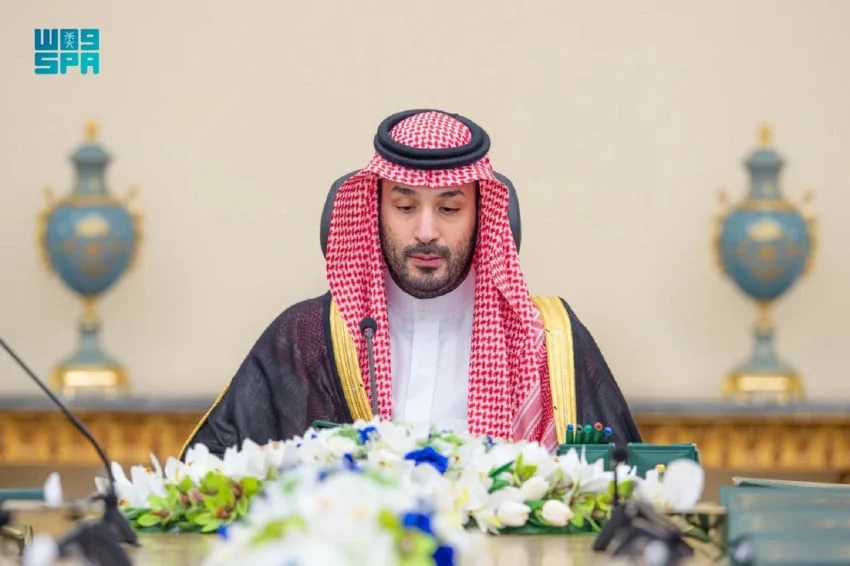
The disclosure of these immense financial figures highlights the profound complexities that continue to impede a definitive peace agreement in Yemen. For Saudi Arabia, which is currently pursuing an ambitious economic transformation agenda under Vision 2030, securing its southern border and achieving a permanent exit from the Yemeni quagmire is a paramount national security objective. Crown Prince Mohammed bin Salman has signaled a clear preference for diplomatic engagement and regional de-escalation, as evidenced by the normalization of ties between Riyadh and Tehran—the primary regional backer of the Houthi movement.
Yet, committing to tens of billions of dollars in compensation presents severe political and budgetary complications for the Saudi leadership. Agreeing to such massive payouts could set a challenging precedent and draw criticism from domestic constituents and international allies, particularly the fractured factions within Yemen’s anti-Houthi coalition who fear being sidelined in a bilateral deal brokered solely between Riyadh and Sanaa.
Conversely, the millions of ordinary Yemenis caught in the crossfire continue to bear the brunt of the political stalemate. While the absence of active frontline warfare has brought a degree of relief, the population remains mired in a severe humanitarian and socio-economic crisis. Public sector employees in Houthi-controlled zones have largely gone years without regular salaries, basic public services remain dysfunctional, and the national currency continues to suffer from extreme volatility.
Expert Analysis on the Future of the Peace Process
Geopolitical analysts monitoring the region suggest that while the road to peace remains fraught with obstacles, neither side has a strategic incentive to return to full-scale warfare. The informal truce has largely held, and regional dynamics—particularly the broader normalization trends involving Iran and Gulf Cooperation Council (GCC) states—favor continued diplomatic engagement.
However, experts caution that any sustainable peace agreement must be inclusive, addressing not only the security concerns of Saudi Arabia and the financial demands of the Houthi movement but also the legitimate political aspirations of all segments of Yemeni society. Failure to construct a comprehensive political architecture risks creating a temporary pause in hostilities rather than a permanent resolution, leaving the door open for future instability.
As back-channel negotiations continue under the watchful eye of international mediators, the international community will be closely monitoring whether Riyadh and Sanaa can bridge the massive financial and political divides that currently separate them. The outcome of these talks will not only shape the future governance and economic recovery of Yemen but will also serve as a crucial test for the new architecture of regional diplomacy in the Middle East.