Managing cholesterol levels is a critical component of cardiovascular health, as elevated concentrations of low-density lipoprotein (LDL)—often referred to as "bad" cholesterol—can lead to the accumulation of plaque in arterial walls, significantly increasing the risk of heart disease and stroke. While medical interventions such as statins are frequently prescribed, nutritional strategies remain the first line of defense and a vital supplementary measure for long-term health. According to registered dietitian Trista Chan, RD, MHSc, integrating specific high-protein foods into a daily diet does more than just promote satiety; it provides essential nutrients that actively support heart function and lipid regulation.
The Physiology of Cholesterol and Dietary Impact
Cholesterol is a waxy, lipid-based substance essential for the construction of cell membranes and the production of hormones. However, when the balance between LDL and high-density lipoprotein (HDL) is disrupted, the body’s homeostatic mechanisms falter. The medical consensus, as supported by organizations like the American Heart Association, emphasizes that replacing saturated and trans fats with unsaturated fats and fiber-rich proteins is the most effective dietary intervention to lower systemic inflammation and serum cholesterol levels.
The following analysis details five specific food groups—soy products, black beans, salmon, Greek yogurt, and peanut butter—that have demonstrated efficacy in clinical settings for supporting healthy cholesterol profiles.
1. The Nutritional Power of Soy-Based Proteins
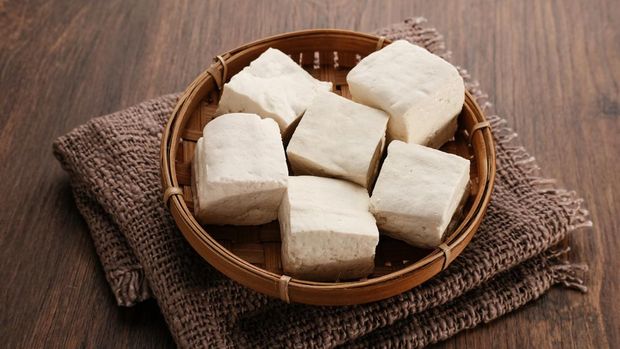
Soybeans have long been recognized as a cornerstone of heart-healthy diets due to their unique profile of plant-based protein and isoflavones. Unlike many animal-based protein sources that carry significant saturated fat loads, soy products such as tofu, tempeh, edamame, and fortified soy milk are virtually cholesterol-free.
A comprehensive meta-analysis of 41 peer-reviewed studies indicated that the regular consumption of approximately 25 grams of soy protein daily can correlate with a 3% to 4% reduction in LDL levels over a six-week period. This reduction, while appearing modest, is clinically significant when sustained over months or years, as it prevents the steady accrual of arterial plaque. Tofu, for example, provides roughly 10 grams of protein per 100-gram serving, making it an efficient vehicle for cardiovascular protection without the caloric density associated with red meat.
2. Fiber-Rich Legumes: The Role of Black Beans
Legumes, particularly black beans, serve as a dual-action agent against high cholesterol. Their composition is dominated by two critical elements: high-quality plant protein and soluble fiber. Soluble fiber is particularly effective because it binds to cholesterol particles in the digestive system and removes them from the body before they can enter the bloodstream.
Recent dietary trials involving adults with mildly elevated cholesterol levels have shown that replacing refined carbohydrates—such as white rice—with a three-quarter cup serving of legumes daily leads to a measurable decrease in LDL concentrations. Beyond the protein content of 15.2 grams per cup, black beans are naturally low in sodium and saturated fats, fulfilling the dietary requirement for a heart-healthy protein substitute.
3. Omega-3 Fatty Acids and Salmon
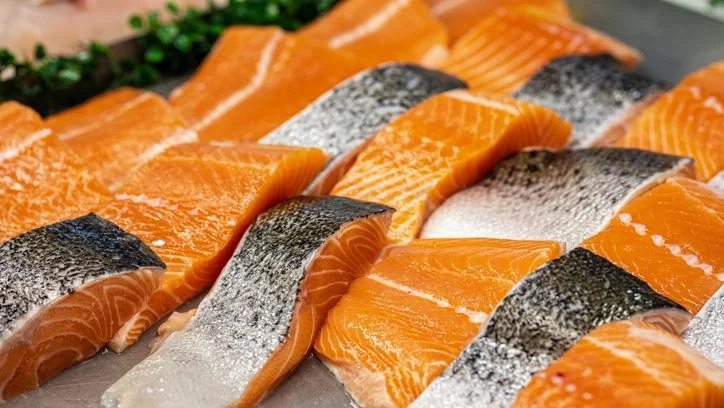
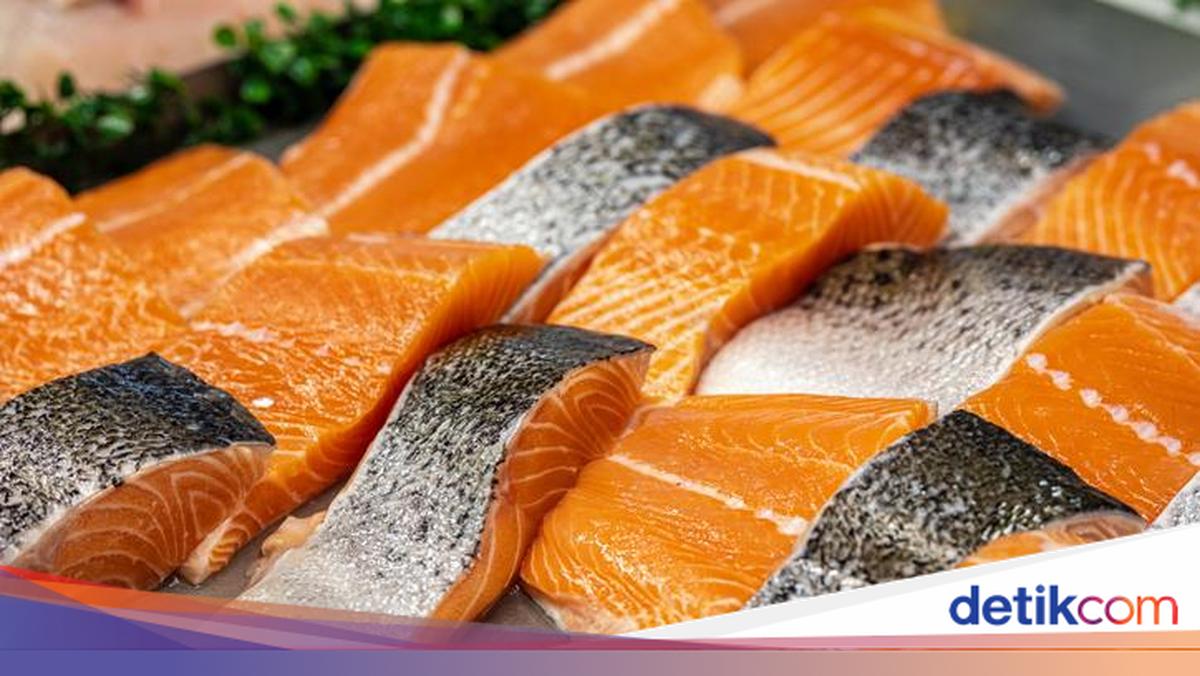
Salmon represents the gold standard for heart-healthy animal protein. The primary cardiovascular benefits of salmon are derived from its high concentrations of eicosapentaenoic acid (EPA) and docosahexaenoic acid (DHA), which are forms of omega-3 fatty acids. These polyunsaturated fats are instrumental in lowering triglyceride levels, reducing blood pressure, and mitigating systemic inflammation.
In an 85-gram serving of cooked Atlantic salmon, an individual consumes approximately 18.8 grams of high-biological-value protein. Unlike processed meats, which have been linked to increased heart disease risk, cold-water fish like salmon, trout, and mackerel offer a protective mechanism against the stiffening of arteries. Clinical guidelines suggest that incorporating two servings of fatty fish per week is sufficient to observe improved lipid panels in most patients.
4. Probiotics and Greek Yogurt
Greek yogurt has emerged as a functional food that extends beyond simple protein supplementation. A standard 156-gram serving of non-fat Greek yogurt provides roughly 16.1 grams of protein, making it an excellent source for muscle maintenance. However, its value in cholesterol management is increasingly attributed to its probiotic content.
Probiotics are beneficial bacteria that inhabit the gut microbiome. Emerging research suggests that specific strains of lactobacillus can influence cholesterol metabolism. By modulating the gut environment, these microorganisms may assist in breaking down bile acids, which are produced by the liver using cholesterol. When bile acids are excreted rather than reabsorbed, the liver is forced to draw on existing cholesterol in the blood to produce more, effectively lowering total circulating LDL.
5. Peanut Butter as a Strategic Dietary Component
While historically criticized for its fat content, peanut butter is a nutrient-dense food that, when consumed in moderation, supports metabolic health. Two tablespoons (32 grams) of natural peanut butter contain seven grams of protein. Recent nutritional studies have highlighted that regular consumption of peanuts can improve triglyceride levels, provided the product does not contain high amounts of added hydrogenated oils, sugar, or salt.
The monounsaturated fats found in peanuts have been shown to maintain healthy HDL levels while potentially lowering LDL. Nutritionists advocate for "natural" varieties of peanut butter to avoid the negative health outcomes associated with added trans fats, which are often found in commercial, shelf-stable spreads.
Broader Implications for Public Health
The reliance on these five food groups represents a shift toward "food as medicine." As global rates of metabolic syndrome and cardiovascular disease continue to rise, public health officials are focusing on dietary education as a primary intervention. The transition from animal-heavy diets to those prioritizing legumes, soy, and omega-3-rich fish is supported by decades of epidemiological data.
However, health professionals caution that these foods are not "magic bullets." Their efficacy is dependent on the overall structure of the diet. For instance, consuming soy protein while maintaining a high intake of refined sugars and processed foods will negate the cardiovascular benefits. The goal is to create a synergy where fiber, healthy fats, and lean proteins work in tandem to optimize the body’s lipid-processing pathways.
Chronology of Dietary Research
The understanding of the relationship between diet and cholesterol has evolved significantly since the early 20th century. In the 1960s, the focus was primarily on total fat reduction. By the 1990s, research shifted toward distinguishing between saturated, monounsaturated, and polyunsaturated fats. The current landscape, as evidenced by the studies mentioned, focuses on functional foods—items that provide health benefits beyond basic nutrition.
This shift is reflected in the latest clinical guidelines from major health organizations, which now prioritize the quality of protein over simple caloric restriction. The move toward incorporating more plant-based proteins like beans and tofu is not just a trend; it is a scientifically backed shift aimed at reducing the burden of chronic diseases on healthcare systems worldwide.
Concluding Recommendations
For individuals looking to manage their cholesterol levels through diet, consistency is the most important factor. The following recommendations are distilled from current nutritional science:
- Diversify Protein Sources: Do not rely solely on one type of protein. Rotate between soy, legumes, fatty fish, and dairy to ensure a wide spectrum of nutrients.
- Prioritize Whole Foods: Avoid processed versions of these items. For example, choose plain Greek yogurt over flavored versions, which are often laden with high-fructose corn syrup.
- Monitor Portion Sizes: Even healthy foods contain calories. Maintaining a caloric balance is essential to prevent weight gain, which is an independent risk factor for high cholesterol.
- Consult with Professionals: Dietary changes should be managed in consultation with a physician or a registered dietitian, especially for individuals already taking cholesterol-lowering medications, as certain foods can interact with pharmacological treatments.
By integrating these five categories of protein-rich foods, individuals can take proactive control of their cardiovascular health. The evidence is clear: the path to lower cholesterol is paved with nutrient-dense, fiber-rich, and heart-healthy dietary choices. As medical science continues to advance, the role of nutrition as a foundational pillar of health remains undisputed, offering a sustainable, effective method for long-term disease prevention.