Socio Today
The development of the Karangkates Floating Solar Power Plant (PLTS) in Malang Regency, East Java, has achieved a significant milestone, with construction progress officially reaching 70 percent as of late September 2026. This landmark infrastructure project, managed by PLN Nusantara Power, represents a pivotal step in Indonesia’s ongoing transition toward renewable energy. With the project now entering its final phase of implementation, stakeholders are optimistic that the facility will reach full operational capacity before the end of the year, providing a substantial boost to the regional power grid.
Project Overview and Technical Specifications
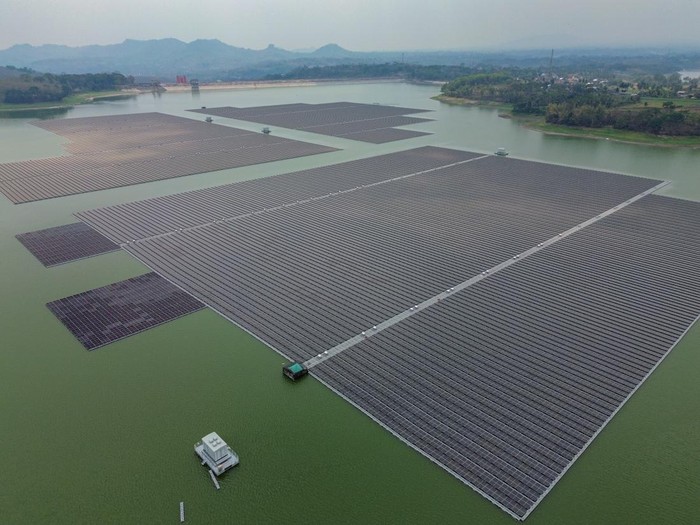
The Karangkates Floating PLTS is a strategic energy project designed to harness the vast surface area of the Karangkates Reservoir. By utilizing the water surface for solar panel installation, the project bypasses the traditional land-use challenges often associated with large-scale solar farms in densely populated or agricultural regions.
According to data released by PLN Nusantara Power, the facility boasts a total capacity of 100 MWac (133 MWp). This output is substantial, designed to provide enough electricity to power approximately 35,000 households. The total capital expenditure for this endeavor is estimated at 100 million US dollars, reflecting a robust commitment from both domestic and international investors to support Indonesia’s decarbonization targets.
The technology employed at the Karangkates site utilizes floating platforms anchored to the reservoir bed. This design offers technical advantages beyond land conservation; the cooling effect of the water beneath the panels can improve the efficiency of the photovoltaic modules, as they operate more effectively at lower temperatures compared to those mounted on land.
Chronology and Development Timeline
The path to the current 70 percent completion status has been characterized by meticulous planning and phased execution. While initial feasibility studies and environmental impact assessments were conducted in the years preceding 2025, the actual physical deployment of the floating structures and electrical integration began in earnest during the first half of 2026.
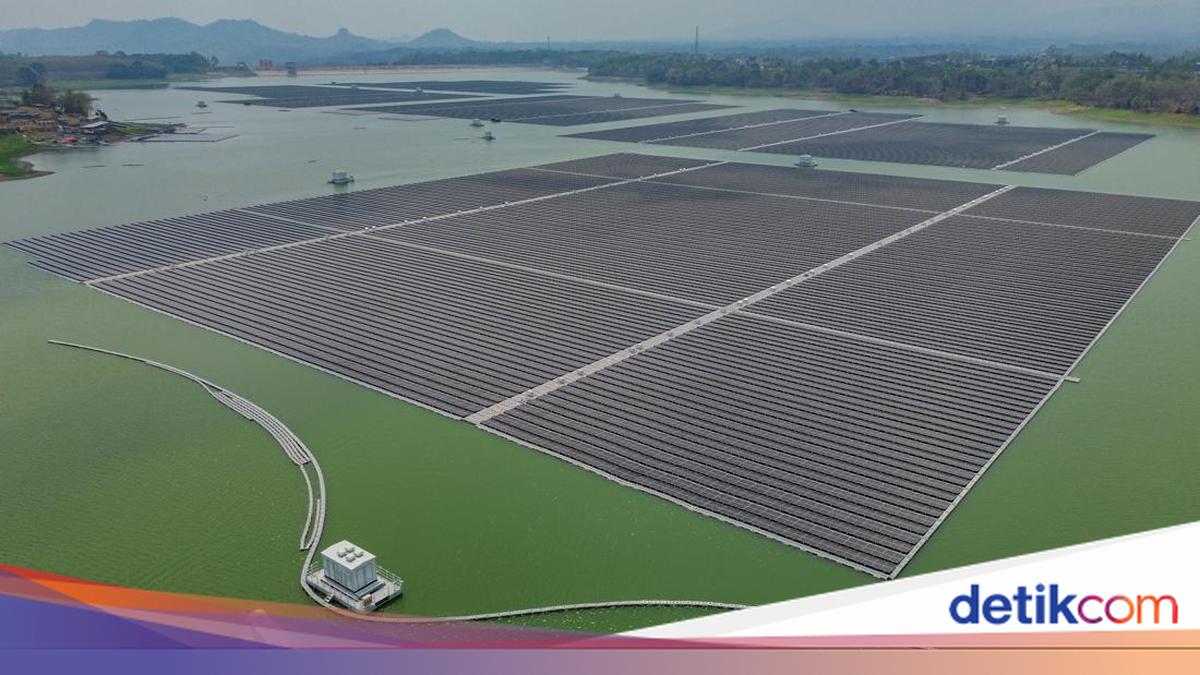
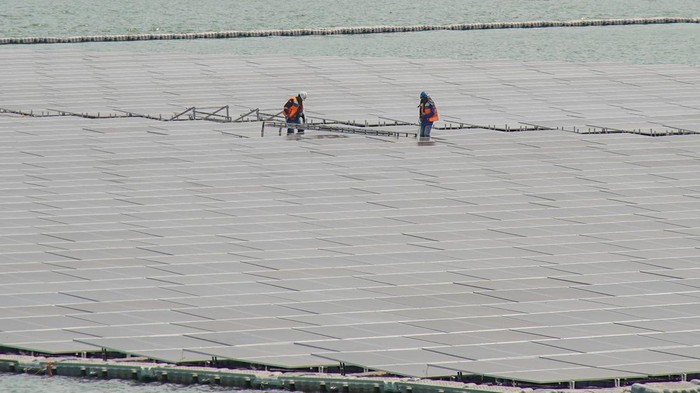
By mid-2026, the project saw the successful installation of the primary anchoring systems and the assembly of the floating pontoon structures. Following this, the installation of high-efficiency solar modules began, coupled with the establishment of sub-station infrastructure to connect the power generated at the reservoir to the existing local grid network. As of September 29, 2026, inspectors and project managers confirmed that the majority of the structural assembly is complete, with the current focus shifting toward the installation of transmission lines and final system testing.
The target for commercial operation by the end of 2026 is ambitious but considered achievable, provided the remaining logistical phases—such as the final electrical synchronization with the East Java-Bali grid—proceed according to the established schedule.
Strategic Importance of Floating Solar in Indonesia
The deployment of floating solar power plants is a cornerstone of the Indonesian government’s strategy to achieve a net-zero emission target. Indonesia possesses a vast number of reservoirs, dams, and lakes that are currently underutilized in terms of energy production. These bodies of water provide a unique opportunity to generate clean energy without requiring the conversion of forests or productive farmland.
The Karangkates project serves as a model for future developments. By integrating solar energy into existing hydroelectric infrastructure, the project creates a "hybrid" power system. During the day, the solar plant provides electricity, allowing for the preservation of water levels in the reservoir, which can then be used to generate peak-load hydroelectric power during the evening hours or periods of high demand. This synergy increases the overall reliability of the power supply and stabilizes the regional energy mix.
Economic and Environmental Implications
The investment of 100 million USD is not merely a financial figure; it represents a transfer of technology and a boost to local employment. Throughout the construction phase, the project has utilized a significant number of local laborers and contractors, fostering skill development in the renewable energy sector.
From an environmental perspective, the installation of the floating panels provides secondary benefits, such as reducing the evaporation rate of the reservoir water. This is particularly important for regional water management, as it helps maintain water availability for both agricultural irrigation and hydroelectric power generation during the dry season.
Furthermore, the contribution of 100 MW of renewable energy directly offsets the reliance on fossil-fuel-based power plants. This transition is essential for reducing the carbon footprint of the East Java industrial and residential sectors, aligning with the country’s Nationally Determined Contributions (NDCs) under the Paris Agreement.
Official Responses and Industry Outlook
While specific quotes from the project managers were not disclosed, industry analysts and energy experts monitoring the project have praised the progress at Karangkates. Analysts suggest that the success of this project could serve as a "proof of concept" for other large-scale floating solar initiatives currently under evaluation by the Ministry of Energy and Mineral Resources (ESDM).
"The progress in Malang is a clear indicator that the renewable energy sector in Indonesia is maturing," says an energy policy analyst familiar with the project. "By proving that large-scale floating solar can be executed efficiently, PLN Nusantara Power is effectively de-risking future projects. This will likely attract more institutional investment and lower the cost of capital for subsequent renewable energy installations across the archipelago."
The role of PLN Nusantara Power has been instrumental in navigating the complex regulatory and technical hurdles involved in such a large-scale project. By coordinating with local government agencies in the Malang Regency and environmental regulators, the company has ensured that the project adheres to strict safety and environmental standards, particularly regarding the preservation of the reservoir’s ecosystem.
Broader Context: The Energy Transition in Indonesia
Indonesia is currently undergoing a structural transformation of its energy sector. The government has prioritized the retirement of older, coal-fired power plants and the aggressive scaling of solar, wind, and geothermal energy. The Karangkates PLTS is part of a broader portfolio of renewable energy projects aimed at increasing the share of renewables in the national energy mix to 23 percent by 2025—a target that, while challenging, is being actively pursued through projects of this nature.
The integration of 100 MW of solar power into the grid requires sophisticated grid management. The variability of solar energy—dependent on cloud cover and time of day—necessitates the use of advanced battery energy storage systems (BESS) or, as in the case of Karangkates, the combination with existing hydro capacity to act as a buffer. This technical integration is being closely monitored by grid operators to ensure that the stability of the system is not compromised by the influx of intermittent power.
Future Outlook and Next Steps
As the project approaches the final 30 percent of construction, the focus will turn to the "commissioning" phase. This involves rigorous testing of the solar panels, the inverters, and the transformer substations under real-world conditions. Once these systems are calibrated and deemed safe for continuous operation, the plant will officially begin feeding electricity into the grid.
Looking ahead, the success of the Karangkates facility will likely dictate the pace and scale of future floating solar developments in East Java. If the plant meets its performance metrics in the first year of operation, it will provide a strong evidentiary basis for expanding the project or initiating similar developments at other reservoirs in the region.
The transformation of the Karangkates reservoir from a water management and hydroelectric site into a dual-purpose renewable energy hub marks a modern approach to infrastructure in Indonesia. By maximizing the utility of existing assets, the project provides a blueprint for sustainable development that balances the country’s growing energy demand with the urgent need for environmental stewardship.
In conclusion, the 70 percent progress milestone reached in September 2026 is a positive signal for the national energy sector. As the year draws to a close, the focus remains on finalizing the remaining construction elements and ensuring that the plant is fully operational to contribute to the grid’s stability and the nation’s broader sustainability goals. The residents of Malang and the surrounding areas, as well as the national grid at large, stand to benefit from the clean, reliable energy this project is poised to deliver.