Samsung is gearing up to expand its popular wearable ecosystem with the upcoming release of the Samsung Galaxy Fit4, the next-generation fitness tracker designed to succeed the widely adopted Galaxy Fit3. While the official rollout is scheduled to take place later this year, early indicators and accidental digital disclosures have already begun painting a comprehensive picture of what consumers can expect from the South Korean tech giant’s newest health and wellness accessory. As the market for affordable yet feature-rich smart wearables continues to grow exponentially, the anticipation surrounding the Galaxy Fit4 underscores Samsung’s ongoing commitment to refining its wearable portfolio and catering to a diverse demographic of health-conscious consumers.
The initial public discovery of the Galaxy Fit4 materialized not through a traditional press release or a high-profile hardware event, but via the official Samsung Galaxy Store platform. Sharp-eyed observers noticed the unexpected listing of an accompanying application titled Galaxy Fit4 Manager. Within the application’s metadata and promotional screenshots, a significant hardware reveal was uncovered, pointing toward the inclusion of Near Field Communication (NFC) technology—a milestone feature that has historically been absent from Samsung’s entry-level fitness tracker lineup.
Decoding the NFC Integration and Digital Wallet Functionality
The most compelling evidence supporting the inclusion of NFC technology in the Galaxy Fit4 stems from a specific user interface element visible within the leaked companion app screenshots. A dedicated menu option labeled Wallet strongly indicates that the smart band will support contactless payment capabilities. By leveraging Samsung Wallet, users would theoretically be able to link their credit or debit cards directly to their fitness tracker, allowing them to complete secure financial transactions with a simple tap of the wrist.
Should this functionality be officially confirmed upon the device’s market debut, it will mark a monumental turning point for the Galaxy Fit series. Previous iterations, including the critically acclaimed Galaxy Fit3 released in February 2024, strictly omitted NFC hardware to maintain a lower price point and preserve battery efficiency. Introducing contactless payments to a compact smart band elevates the device from a rudimentary health tracker to a more versatile daily utility, bridging the gap between basic fitness bands and full-fledged smartwatches like the Galaxy Watch series.
Despite the strong indications provided by the Galaxy Fit4 Manager software, hardware documentation from regulatory bodies presents a slightly more conservative narrative. Filings from the Federal Communications Commission (FCC) currently make no explicit mention of an NFC module integrated into the device’s architecture. Instead, the preliminary FCC documentation focuses primarily on certifying standard connectivity parameters, such as Bluetooth capability. Industry analysts note that it is not uncommon for initial regulatory filings to omit specialized regional or secondary hardware features, meaning that final confirmation will likely require subsequent documentation updates or an official product briefing from Samsung representatives.
Evolution of Features: Software Enhancements and Hardware Tweaks
Beyond the highly discussed NFC integration, the leaked application screenshots offer a broader glimpse into the user experience enhancements engineered for the Galaxy Fit4. Software-level improvements appear to be a primary focus for Samsung in this development cycle, with indications pointing toward robust support for native applications, highly customizable informational tiles, and an expanded library of personalized watch faces designed to cater to diverse aesthetic preferences.
On the hardware front, rumors and leaked assets suggest that Samsung may also be introducing an upgraded internal speaker component. While fitness bands traditionally rely on silent vibration motors for notifications and alarms, the integration of an active audio speaker could unlock new functionalities, such as direct voice prompts, audible workout coaching, or enhanced alarm features. However, hardware upgrades of this nature inevitably introduce new engineering challenges, particularly regarding internal space allocation and energy consumption.
The Battery Life Controversy: Balancing Power and Performance
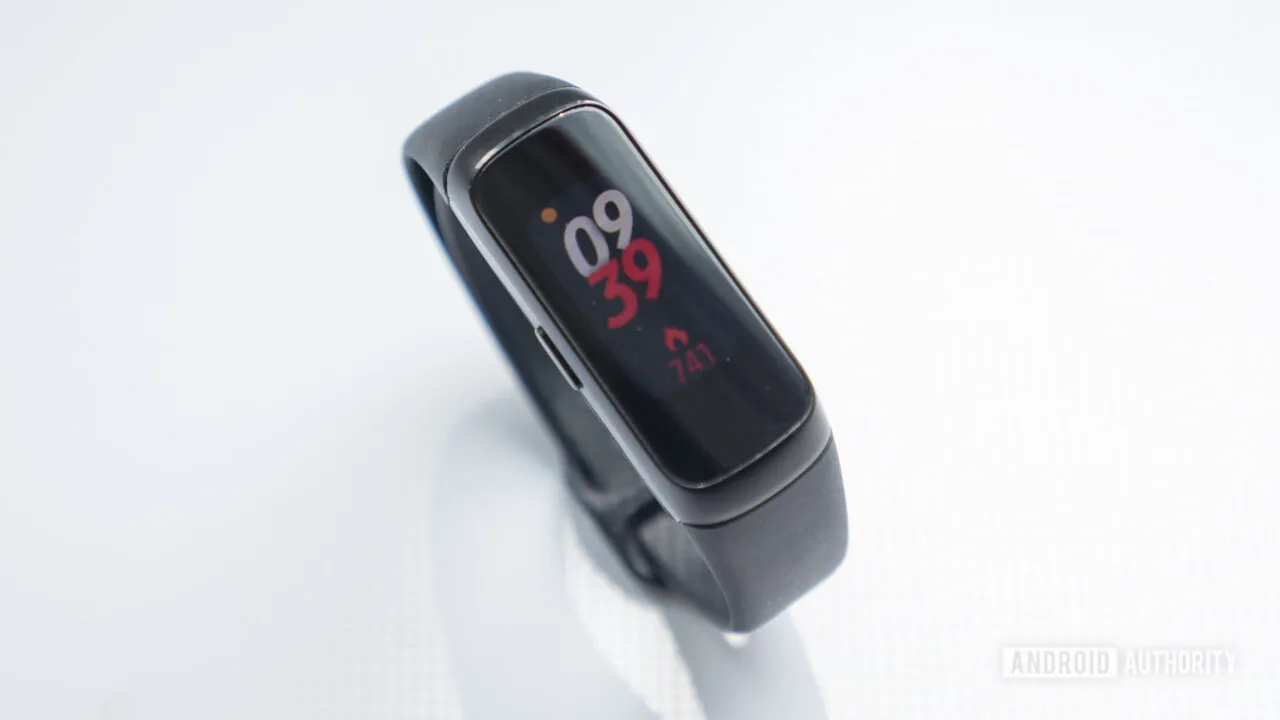
One of the most heavily scrutinized data points extracted from the recent Galaxy Fit4 leaks revolves around its projected battery endurance. Initial software indicators displayed an estimated remaining battery life of four days and three hours when the device is operated at a hundred percent capacity. This particular metric has sparked considerable debate and confusion among industry analysts and tech enthusiasts alike.
To contextualize this figure, its predecessor—the Samsung Galaxy Fit3—was marketed and commercially praised for its exceptional battery longevity, frequently achieving up to 13 days of continuous use under normal operating conditions. A projected drop to roughly four days of battery life represents a significant reduction in endurance, raising questions regarding the efficiency of the newly integrated hardware components. Analysts speculate that the inclusion of power-intensive features such as an NFC chip, native application processing, and an internal speaker may place a heavier burden on the physical battery cell. Alternatively, industry experts suggest that the leaked battery percentage might reflect heavy-usage testing scenarios, continuous health monitoring, or early-stage firmware optimization that does not represent final consumer-ready performance. Samsung has yet to clarify the official battery specifications or power-management metrics for the retail units.
Chronology of the Galaxy Fit Lineup and Market Context
The trajectory of Samsung’s fitness band division highlights a calculated rhythm of product iteration and market adaptation. The predecessor of the upcoming device, the Galaxy Fit3, was officially launched in February 2024 after a prolonged hiatus in the company’s smart band timeline. The Fit3 was widely commended for its sleek aluminum chassis, expanded AMOLED display, and comprehensive suite of health tracking metrics, which included sleep monitoring, heart rate tracking, and automated workout detection.
Following the commercial success of the Fit3, consumer demand for affordable, lightweight health monitoring alternatives remained consistently robust. While advanced smartwatches offer exhaustive application ecosystems and standalone cellular connectivity, they often come at a premium price point and require daily charging regimens. Conversely, minimalist fitness bands appeal to consumers who prioritize prolonged battery life, discrete physical profiles, and core biometric tracking without unnecessary complexities. By developing the Galaxy Fit4, Samsung aims to capture this resilient market segment while strategically injecting premium functionalities—such as digital wallet integration—to entice buyers looking for advanced utility without transitioning to a bulky smartwatch.
Official Silence and Anticipated Timeline
As of the current reporting period, Samsung has maintained a strict policy of corporate silence regarding the existence, specifications, and launch timeline of the Galaxy Fit4. The company has not issued any press statements confirming the authenticity of the Galaxy Fit4 Manager app listing, nor has it provided a tentative release window for a global product announcement.
However, historical patterns within Samsung’s hardware launch cycles suggest that a late-year unveiling remains entirely plausible. Technology analysts anticipate that as regulatory approvals progress and production scales up, more definitive information regarding pricing, regional availability, and official hardware specifications will emerge through certified channels. In the interim, consumers and tech observers must rely on software leaks and regulatory filings to piece together the future of Samsung’s wearable lineup.
Broader Market Implications and Strategic Analysis
The impending arrival of the Samsung Galaxy Fit4 carries broader implications for the wearable technology sector as a whole. As competing manufacturers continuously push the boundaries of what budget-friendly health trackers can achieve, market leaders like Samsung face increasing pressure to differentiate their products. The potential addition of NFC and digital wallet capabilities to a non-watch form factor represents a calculated effort to erode the functional boundaries separating basic fitness bands from premium smartwatches.
Furthermore, this strategic move aligns with Samsung’s broader ecosystem goals. By encouraging deeper integration with Samsung Wallet, the company fosters greater user retention and cross-platform loyalty within its proprietary digital infrastructure. If the Galaxy Fit4 successfully delivers contactless payment functionality alongside improved customization and health-tracking accuracy, it could redefine consumer expectations for entry-level wearables, setting a new industry benchmark for what a modern fitness band can accomplish in an increasingly connected digital economy.